

A doctor examines a patient, considers his or her health history, follows clinical guidelines, and recommends a course of treatment. Then an insurance administrator who has never met that patient, and may have no medical training, can deny a care plan, prioritizing the company’s bottom line over the person who needs care.
Too much of the American healthcare system runs on this broken formula, and patients are the ones who suffer—through higher costs, rejected care, and complicated, unachievable appeal processes. Patients belong at the center of every healthcare decision, not on the losing end of an insurance company’s spreadsheet.
I spent my career making medical decisions under pressure in clinics and on the battlefield. In neither setting could I hide behind paperwork or delay care while a patient waited for someone else to make the call. Patients came first, every time. But across the country, that’s no longer the norm. The destruction of the doctor-patient relationship is mostly because of government and insurance companies who have taken the joy out of taking care of patients.
The Cost Patients Feel Most
Health insurance is now the top healthcare concern for American voters, ahead of drug prices and hospital bills, according to a McLaughlin and Associates survey of 2,000 likely voters. That is not a surprise to anyone who has appealed claims or seen patients defer care because of cost or bureaucracy. That same survey found that 83% of voters say it is time for insurers and hospitals to do their part, which is a view shared by Republicans, Democrats, and Independents almost equally.
What Patients Are Actually Asking For
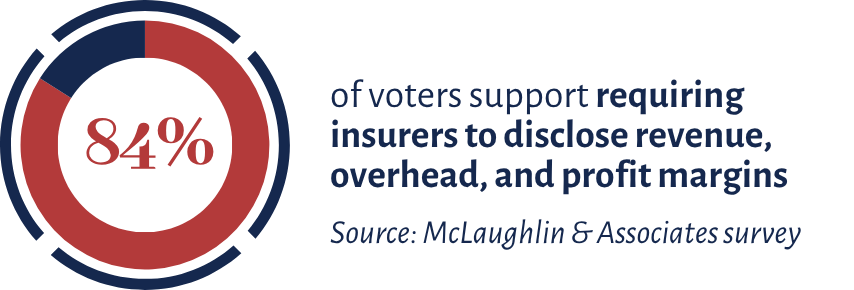
Americans are asking for the bare minimum: transparency. Americans want to know where their insurance premium dollars go in plain speak, not industry verbiage.
Picture a family opening their renewal notice and discovering that their premiums are going up 12% with no explanation. Basic disclosure requirements would give them a clearer picture of where that money is going, including whether the increase is funding patient care or adding to the insurer’s profits. Patients should have the same level of transparency from their insurance company that they already expect from a hospital bill.
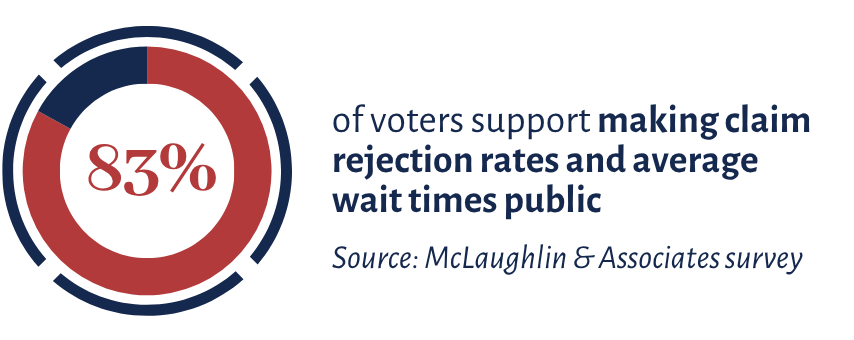
Americans also want to know how an insurance plan performs before they enroll. A patient comparing plans during open enrollment may have no way of knowing that one insurer denies claims at nearly twice the rate of another until her own claim is rejected. Requiring insurers to publicly share rejection rates and wait times would let her choose the proper plan before she needs care, rather than discovering its limitations when it is already too late.
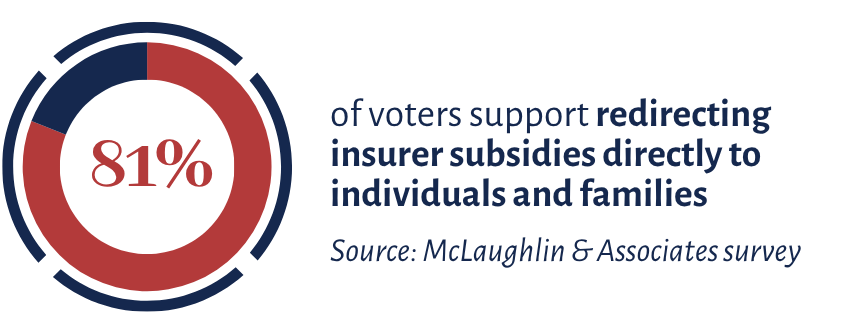
And Americans want their tax dollars supporting them directly, not padding an insurer’s bottom line. Consider a young family whose subsidy dollars go straight to an insurance company, whether that plan serves the family’s needs or not. If that money went to the family directly, they could choose the coverage that fits their needs, rather than the plan insurers already steer them toward.
The Bottom Line
Every part of the healthcare system has a role in fixing it. But patients and their doctors, not insurers focused on profit, are best equipped to decide what care looks like. Insurers have had their say for too long. It’s time patients had theirs. And it’s time America lived up to being the best place in the world to be a patient.
